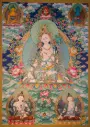
White Tara Thangka with Five Dhyani Buddhas and Vajrasattva - Menri Style Tibetan
White Tara Visual Entrance and Divine Presence
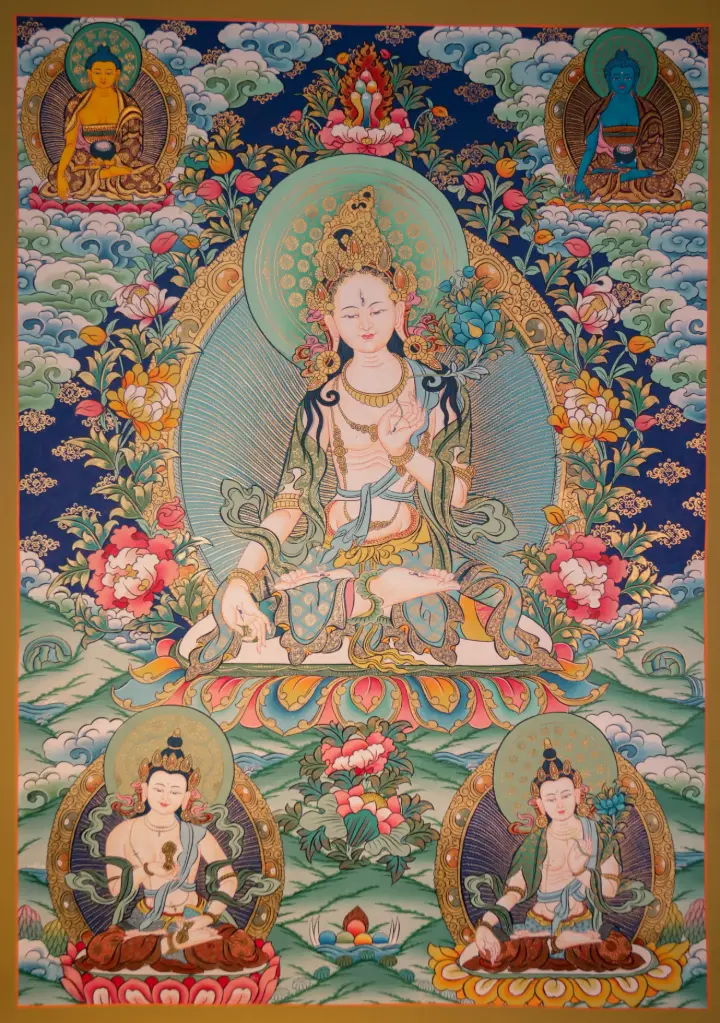
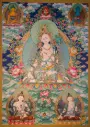
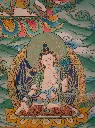
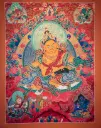
This hand-painted White Tara Thangka depicts pure compassionate awareness. Grounded mineral pigments create a glowing white deity against deep blue canvas.
Sitatārā bestows longevity, mental clarity, and spiritual healing upon practitioners. Her seven wisdom eyes perceive suffering throughout all cosmic realms.
Tags |
White Tara Thangka Specifications
Master artisans in Kathmandu crafted this original Tibetan Buddhist thangka. The canvas follows classical Himalayan iconometric canons with exact precision.
Dimensions: Height 75 cm by width 50 cm
Materials: 24K Gold and Natural Mineral Pigments on Cotton Canvas
Origin: Kathmandu, Nepal
Artistic Style: Menri Style Tibetan
Background: Celestial Sky
Type: Original Hand-Painted Artwork
Composition: Main Deity with Upper and Lower Deities
Consecration: Consecration Available Upon Request
Sacred Heritage of White Tara in Menri Art
Sitatārā emerged as a primary longevity deity in ancient Indian tantras. Her venerated practice spread across medieval Tibetan monastic centers.
The Menri school refined her iconographic form during the fifteenth century. Artists surrounded sacred deities with vibrant botanical landscapes.
Nepalese workshops in Kathmandu continue this traditional Himalayan art practice today. Modern masters preserve historic pigment recipes and gilding techniques.
White Tara Iconography and Sacred Assembly
Central White Tara
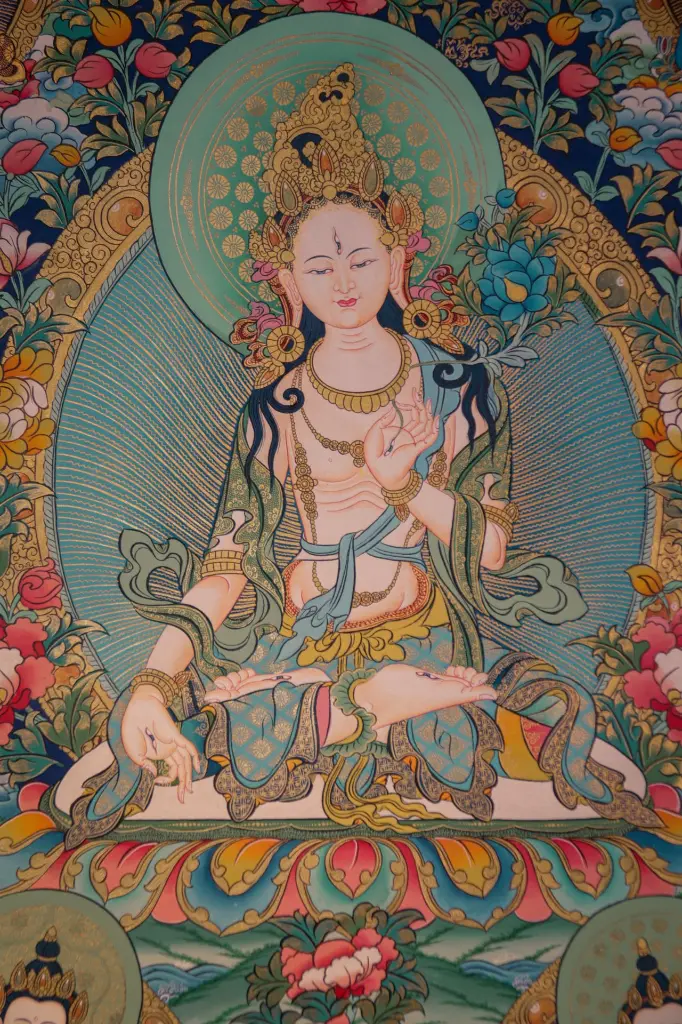
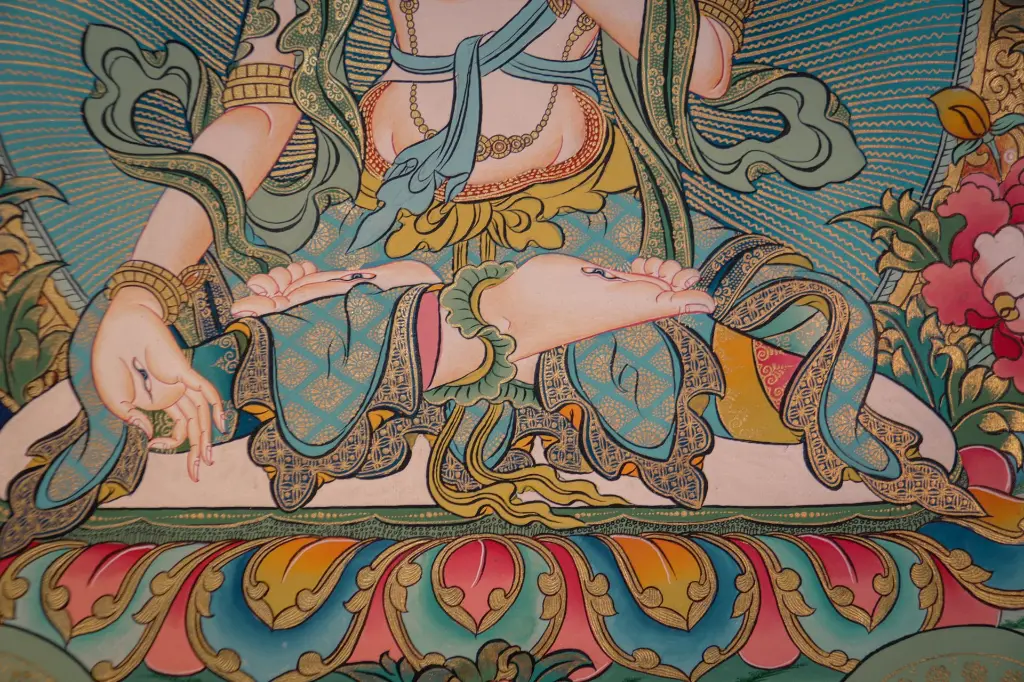
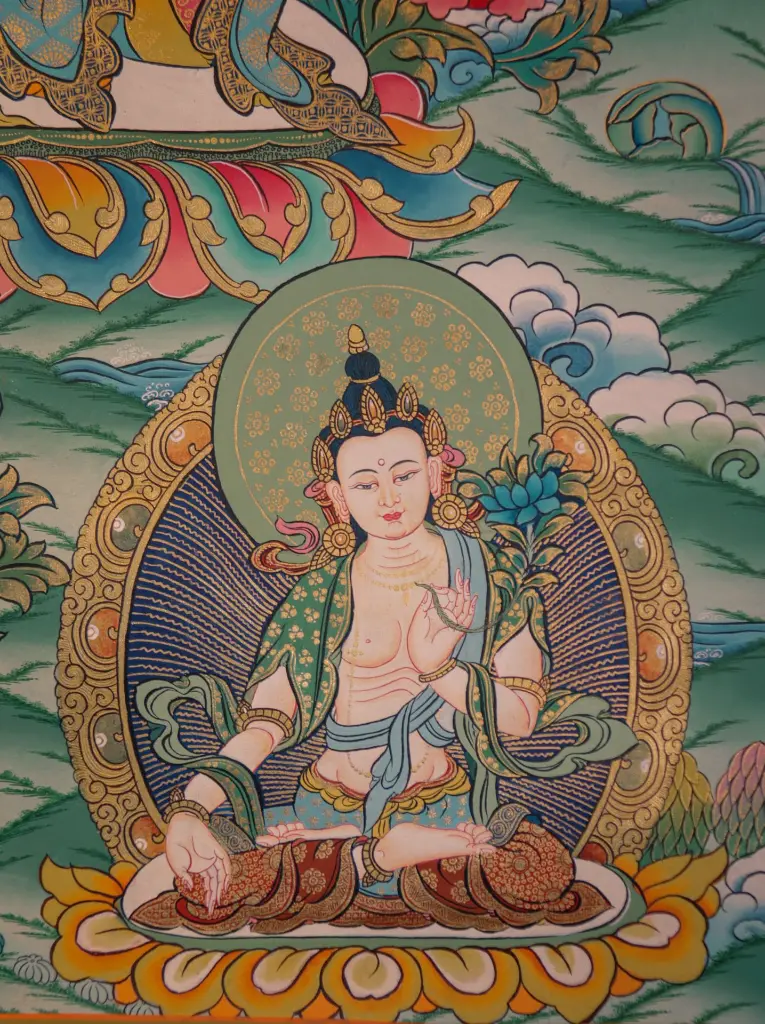
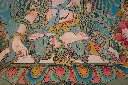
White Tara sits peacefully in the full vajraparyaṅka posture. Her translucent white body radiates serene, cool light.
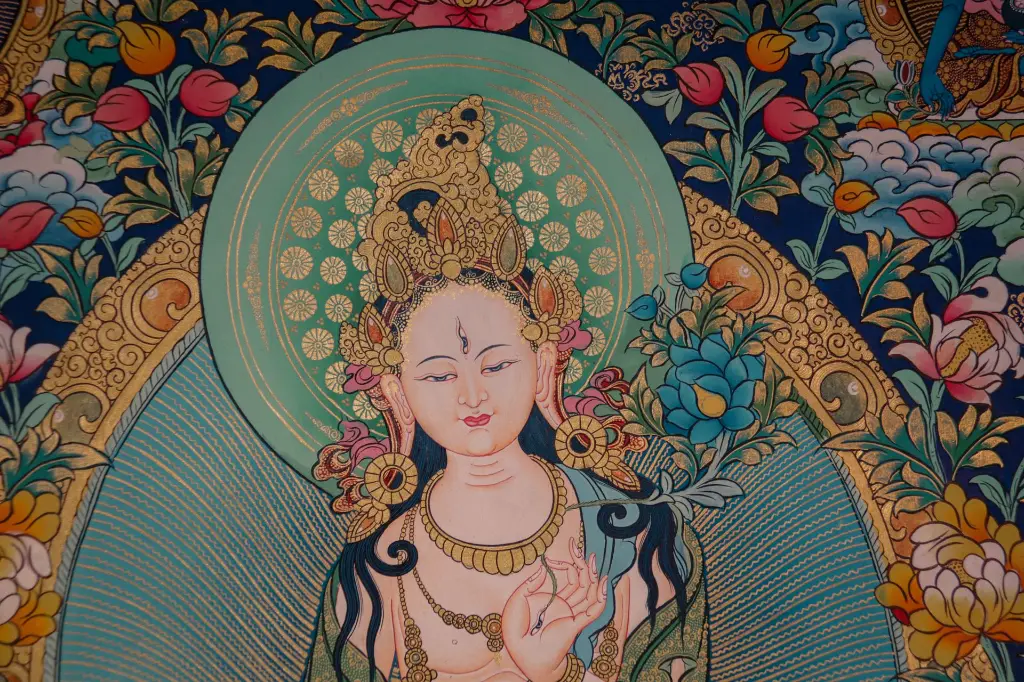
Seven wisdom eyes mark her face, forehead, palms, and feet. Her right hand extends downward in varada mudrā.
Her left hand forms vitarka mudrā at her chest. She holds the delicate stem of a blue utpala flower.
She wears silk garments, gold ornaments, and a five-pointed crown. A circular rainbow halo frames her graceful form.
Upper and Lower Lineage Assembly
Five Dhyani Buddhas
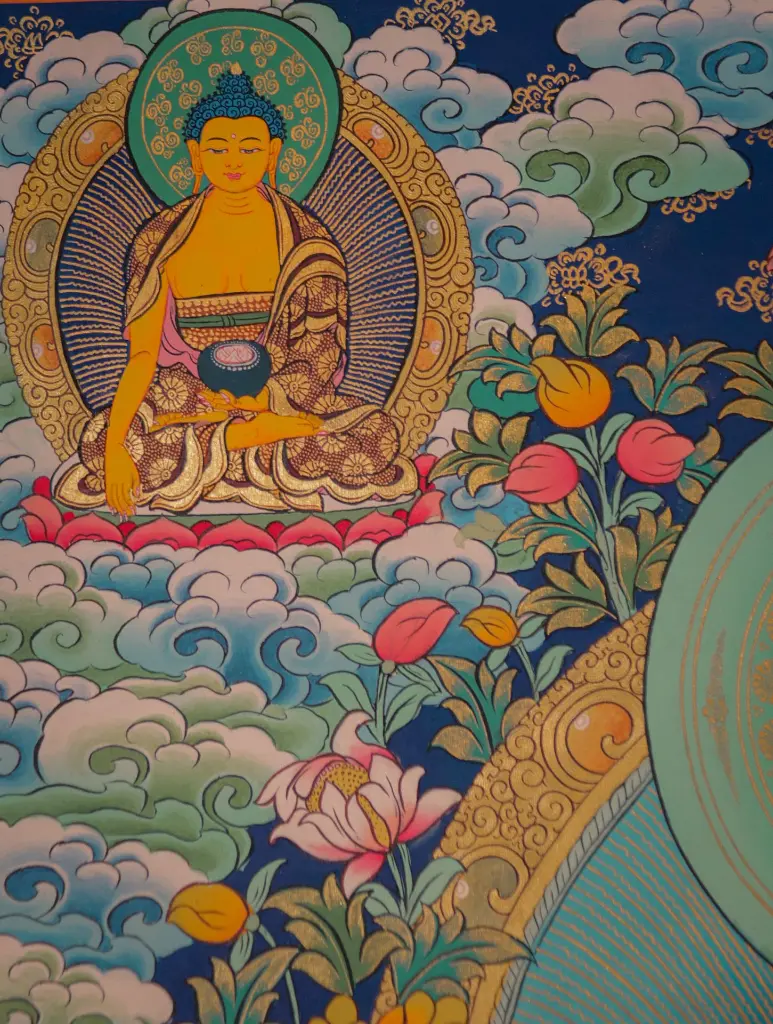
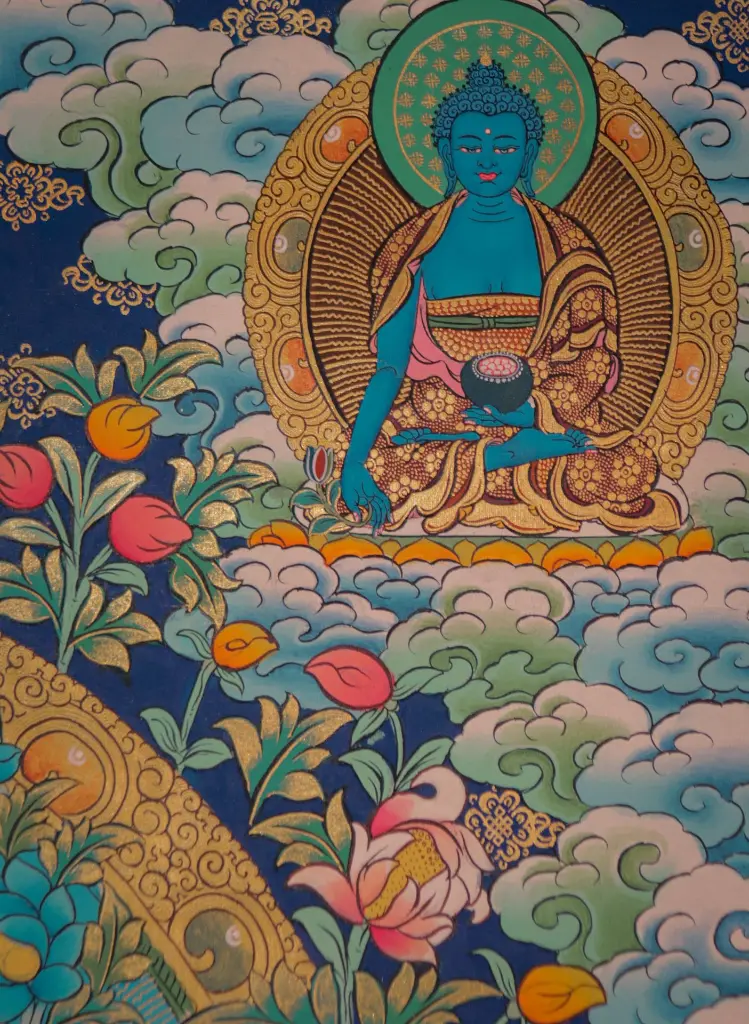
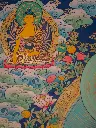
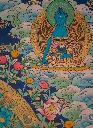
Five Tathāgatas reside in cloud aureoles along the upper sky. They transform five mental poisons into pristine wisdoms.
Vajrasattva
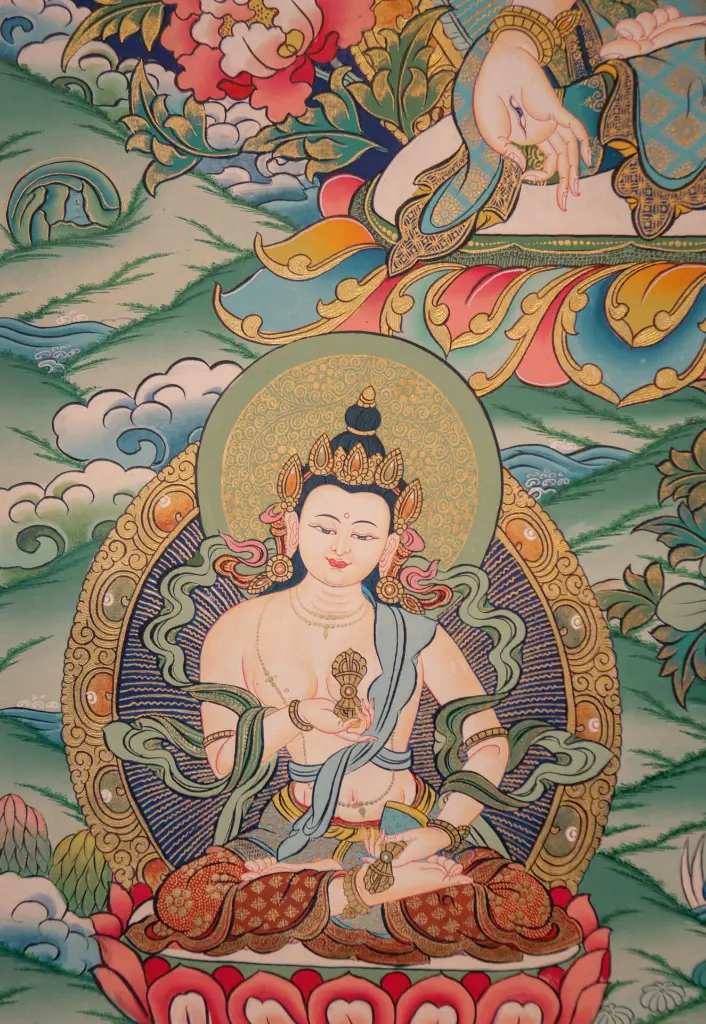
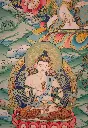
Vajrasattva occupies the lower left corner on a lotus throne. He holds a vajra and ghaṇṭā for ultimate purification.
Emanation White Tara
An emanation White Tara sits at the lower right corner. She holds a single lotus stem in devotion.
Sacred Landscape and Setting of White Tara
A multi-colored lotus disc supports her radiant central position. Aṣṭamaṅgala symbols floating in the sky generate auspicious blessings.
The terrestrial foreground displays lush green hills and floral blossoms. A vīṇā lute and sacred jewel offerings rest below.
White Tara Iconometry and Master Technique
Sacred proportion grids of the nava tāla canon govern her proportions. Canvas geometry determines exact positioning for every deity.
Painters layer pulverized mineral pigments for lasting color stability. Fine 24K gold detailing accentuates jewelry and crown elements.
Practice and Peaceful Placement of White Tara
Her primary longevity mantra is Oṃ Tāre Tuttāre Ture Mama Āyur Puṇye Jñāna Puṣṭiṃ Kuru Svāhā. Reciting this verse cultivates health and wisdom.
Display this mineral pigment thangka in a clean, elevated sanctuary. Avoid direct sunlight and moisture to preserve canvas pigments.
Focus gently on her seven eyes during quiet visual practice. May this hand-painted Buddhist art bring peace to all.